If you want a San Francisco neighborhood that feels both active and residential, Cow Hollow often stands out right away. You get a classic city street grid, a strong local shopping corridor, and easy access to some of the most-used outdoor spaces on the north side of the city. For buyers exploring lifestyle fit, this is one of those neighborhoods where the daily pattern matters as much as the address. Let’s dive in.
Where Cow Hollow Sits
Cow Hollow is officially defined by San Francisco Planning as the area bounded by Greenwich, Pierce, Pacific, and Lyon. It sits on a north-facing slope between Pacific Heights and the Marina, which helps explain why the neighborhood feels connected to both residential streets and the waterfront side of the city.
That layout shapes everyday movement. The traditional grid makes the area easy to understand and navigate on foot, while the hillside means some blocks feel steeper than others. If you like walking for errands or coffee, that matters in a very practical way.
What the Streetscape Feels Like
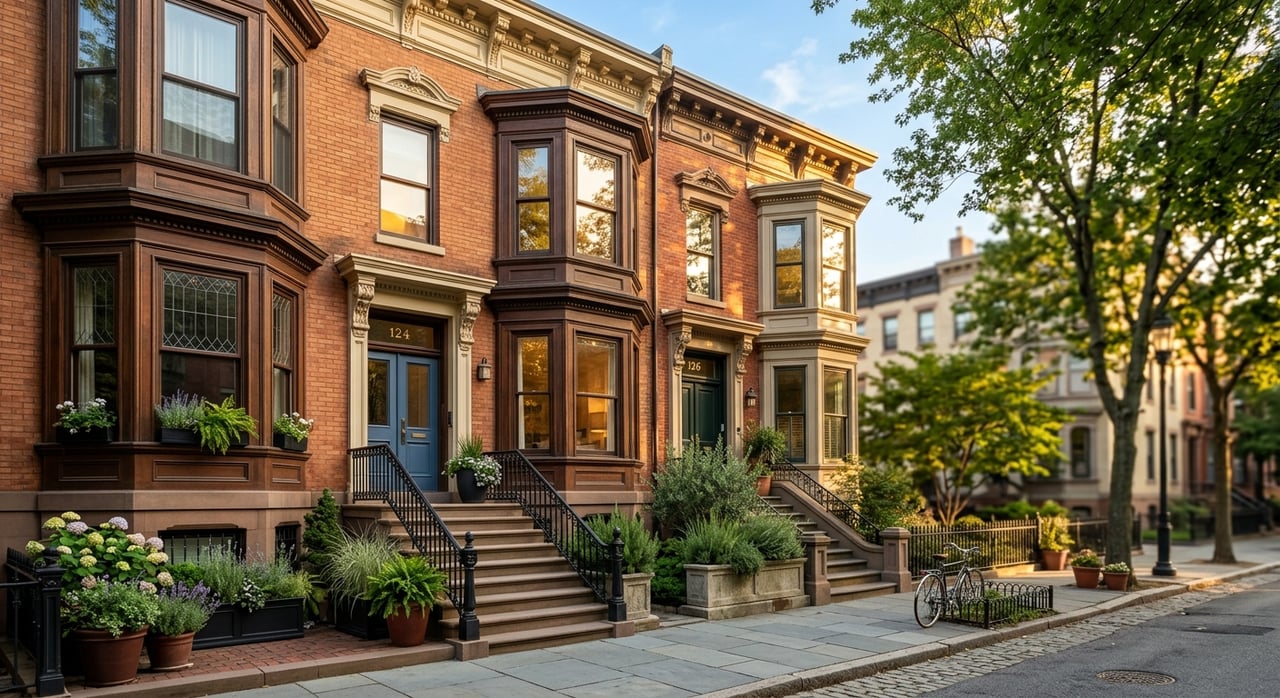
San Francisco Planning describes Cow Hollow as having a mixed housing stock, with larger single-family homes higher on the hill, one- and two-family attached homes through much of the neighborhood, and multifamily buildings closer to corners and lower elevations. Most buildings are two to three stories, which helps preserve a human-scaled feel.
In everyday terms, Cow Hollow reads as established and residential rather than high-rise or heavily commercial. The streets feel woven into the fabric of the neighborhood, not dominated by one large development pattern. That mix is part of what gives Cow Hollow its lasting appeal for buyers who want character and convenience together.
Union Street Shapes Daily Life
A big part of Cow Hollow living centers on Union Street. San Francisco Planning identifies the Union Street commercial district as running between Van Ness and Steiner, with an extension north on Fillmore to Lombard, and notes that the district is meant to serve nearby residents with convenience goods, specialty shops, and food and drink uses.
The Union Street Association describes the corridor as a merchant district with a Victorian streetscape and more than 300 businesses. That includes local shops, services, eateries, coffee shops, gyms, yoga studios, spas, and boutiques.
For you as a buyer, that usually means daily life does not depend on a car-first retail setup. Many of the places people use regularly cluster along Union, Fillmore, and nearby corridors, making short walks part of the rhythm of the neighborhood.
Errands Feel Close at Hand
One of Cow Hollow’s strongest lifestyle advantages is how naturally errands can fit into your day. Instead of driving to a single shopping center, you are more likely to move through a sequence of neighborhood stops, whether that is coffee in the morning, a quick service appointment, a casual lunch, or dinner later in the evening.
That pattern is supported by the neighborhood’s commercial design. Planning policy for the corridor emphasizes continuous retail frontage while also protecting adjacent residential livability, which helps explain why the area can feel lively without reading as purely entertainment-focused.
Nearby Dining Adds Variety
Cow Hollow benefits from its own retail spine, but it also sits close to other established north-side corridors. San Francisco Travel notes that Union Street and Chestnut Street in the nearby Marina are lined with neighborhood eateries, cocktail spots, and historic gathering places that mainly serve local residents.
That proximity gives the neighborhood range. You can stay local and familiar, or you can broaden your routine with nearby blocks that offer a slightly different pace and mix of options. For many buyers, that flexibility is part of the appeal of living here.
Outdoor Access Is a Major Draw
Cow Hollow is not just about shops and restaurants. It also sits beside a very strong network of outdoor spaces, which can shape your week as much as the commercial streets do.
Marina Green is one of the most recognizable nearby anchors. San Francisco Recreation and Parks describes it as a local hangout for runners, athletes, and casual picnickers, with broad Bay views that include the Golden Gate Bridge, Alcatraz, Angel Island, and the Palace of Fine Arts.
When you live nearby, that kind of setting can become part of ordinary life rather than something reserved for visitors. A morning walk, an afternoon break outside, or a sunset loop along the waterfront can be built into your routine.
Recreation Options Stay Close
For more structured activity, Moscone Recreation Center adds another layer to the neighborhood. San Francisco Recreation and Parks lists baseball and softball fields, basketball, a gymnasium, outdoor pickleball, tennis, a playground, and an off-leash dog area.
That matters because it gives Cow Hollow access to both scenic outdoor space and practical recreation space. Depending on your routine, that can mean pickup sports, a place to bring a dog, or an easy park stop built into a weekend schedule.
Presidio Access Expands the Lifestyle
Another nearby advantage is access to Presidio Tunnel Tops. The Presidio Trust describes it as free, open every day, and easy to walk from the center of the Presidio to Crissy Field, with bridge views, lawns, picnic areas, food vendors, the Outpost playground, and the Field Station.
For buyers thinking about long-term livability, this is important. Cow Hollow is close to a major open-space destination that can support everything from casual walks to family outings to meeting friends outdoors, without requiring a major day trip.
Getting Around From Cow Hollow
Cow Hollow is strongly residential, but it still offers useful transit connections. The 45 Union/Stockton runs daily from 5 a.m. to 10 p.m., includes several Union Street stops in Cow Hollow, and links the Marina with Caltrain through downtown.
The 22 Fillmore runs 24 hours a day and stops at Fillmore and Chestnut, Union and Fillmore, and Steiner and Union. It connects the Marina area with Mission Bay and UCSF, making it one of the more practical cross-town lines for this part of the city.
There is also the Presidio GO Shuttle, which is free and available to all. Its Downtown Route connects the Presidio to downtown San Francisco in about 25 minutes and picks up near Van Ness and Union Street. The shuttle is wheelchair-accessible and has bike racks.
Why the Daily Rhythm Stands Out
What often makes Cow Hollow memorable is not one single landmark. It is the repeatable pattern of life here. You can move between residential blocks, local retail, transit options, and open space without feeling like you are choosing between convenience and neighborhood character.
That balance is especially appealing if you want a home that supports day-to-day ease. Whether you are searching for a condo, TIC, or single-family home, Cow Hollow tends to attract buyers who value walkability, established streetscapes, and easy access to the outdoors.
What Buyers Should Notice
If you are considering Cow Hollow, it helps to look beyond a listing and think about how you would actually live in the neighborhood. A few details can make a meaningful difference:
- Block-by-block slope: The hill profile affects how a home feels in daily use.
- Street access to Union and Fillmore: Some locations make errands especially simple.
- Proximity to recreation: Nearby access to Marina Green, Moscone Rec Center, and the Presidio can shape your routine.
- Transit convenience: Access to the 22 Fillmore, 45 Union/Stockton, and Presidio GO Shuttle may matter for commuting or cross-city trips.
- Housing type: Cow Hollow includes single-family homes, attached homes, and multifamily buildings, so the lifestyle can vary depending on the property.
In a neighborhood like this, small location differences can have an outsized effect. That is why hyperlocal guidance matters so much when you are comparing options.
Cow Hollow tends to suit buyers who want San Francisco living to feel polished, walkable, and grounded in everyday routines. It offers a local commercial spine, nearby waterfront access, and a residential setting that still feels connected to the city. If you are weighing where your next move should be, this is a neighborhood worth understanding block by block.
If you are considering a move in Cow Hollow or anywhere nearby, Lauren Fraser can help you evaluate the lifestyle, property mix, and market context with clear, neighborhood-specific guidance.
FAQs
What is everyday life like in Cow Hollow, San Francisco?
- Everyday life in Cow Hollow often centers on short walks for coffee, errands, dining, and outdoor time, with Union Street, Fillmore, and nearby waterfront spaces shaping the daily routine.
Where is Cow Hollow located in San Francisco?
- San Francisco Planning defines Cow Hollow as the area bounded by Greenwich, Pierce, Pacific, and Lyon on a north-facing slope between Pacific Heights and the Marina.
What shopping streets serve Cow Hollow residents?
- Union Street is the main commercial corridor tied to Cow Hollow, and the district also extends north on Fillmore to Lombard, with shops, services, restaurants, and fitness businesses nearby.
What parks are near Cow Hollow?
- Nearby outdoor options include Marina Green, Moscone Recreation Center, and Presidio Tunnel Tops, which together provide open lawns, sports facilities, playgrounds, dog-friendly space, and waterfront views.
Is Cow Hollow walkable for daily errands?
- Cow Hollow’s traditional street grid and neighborhood retail pattern support walkable errands, although some blocks are steeper because the neighborhood sits on a slope.
What transit options are available in Cow Hollow?
- Key transit options include the 45 Union/Stockton, the 22 Fillmore, and the free Presidio GO Shuttle, which help connect the area to downtown, Caltrain, Mission Bay, UCSF, and the Presidio.
What types of homes are found in Cow Hollow?
- According to San Francisco Planning, Cow Hollow includes larger single-family homes higher on the hill, attached one- and two-family homes through much of the neighborhood, and multifamily buildings near corners and lower elevations.