If you want a San Francisco neighborhood that feels tucked in without feeling cut off, Cole Valley deserves a closer look. For many buyers, the challenge is finding a place that offers daily convenience, city access, and neighborhood character without the constant intensity of a larger commercial district. This guide will help you understand what makes Cole Valley distinct, what you can expect from its housing and streetscape, and why it continues to stand out as a quieter corner of central San Francisco. Let’s dive in.
Why Cole Valley Stands Out
Cole Valley sits near the geographic center of San Francisco and along the southeastern edge of Golden Gate Park, according to city materials. Planning and city sources generally place it between Carmel Street, Clayton Street, Golden Gate Park and Waller Street, and Stanyan Street.
That footprint matters because it helps explain the neighborhood’s feel. Cole Valley reads as a small residential pocket, not a broad district with activity spread in every direction. Its commercial heart is especially compact, centered on Cole Street between Carl Street and Parnassus Avenue.
For you as a buyer, that often translates into a more village-like experience. You can have a recognizable local main street while still feeling like the neighborhood is primarily residential.
Cole Valley’s Quiet, Central Feel
One of Cole Valley’s biggest draws is the balance it strikes. You are in a central part of San Francisco, yet the neighborhood is often described through its smaller scale, compact streets, and limited retail corridor rather than nonstop activity.
That does not mean sleepy or disconnected. It means the intensity is different from larger nearby commercial areas. If you want a neighborhood where daily life can feel a bit more contained and human-scaled, Cole Valley has a strong case.
This quieter feel is also tied to how the neighborhood is laid out. Because the business district is concentrated on a short stretch of Cole Street, the activity tends to feel focused rather than sprawling.
What the Main Street Offers
Cole Valley’s retail corridor is not a major regional shopping destination, and that is part of its appeal. City neighborhood materials highlight a lineup of businesses such as Wooden Coffee House, Cole Hardware, Zazie, Say Cheese, Luke’s Local, InoVino, Finnegan’s Wake, Cole Valley Tavern, and The Ice Cream Bar.
That mix suggests a practical, everyday commercial strip. You have coffee, brunch, casual dining, convenience shopping, and a few neighborhood gathering spots, all within a relatively short stretch.
In 2025, the city launched the Cole Valley Entertainment Zone to support local restaurants and bars along the corridor. That move reinforces a simple point: the neighborhood’s small business spine remains active, relevant, and community-oriented.
For buyers, this can be a sweet spot. You may not need a long commercial corridor when the essentials and a few favorites are close at hand.
Housing in Cole Valley
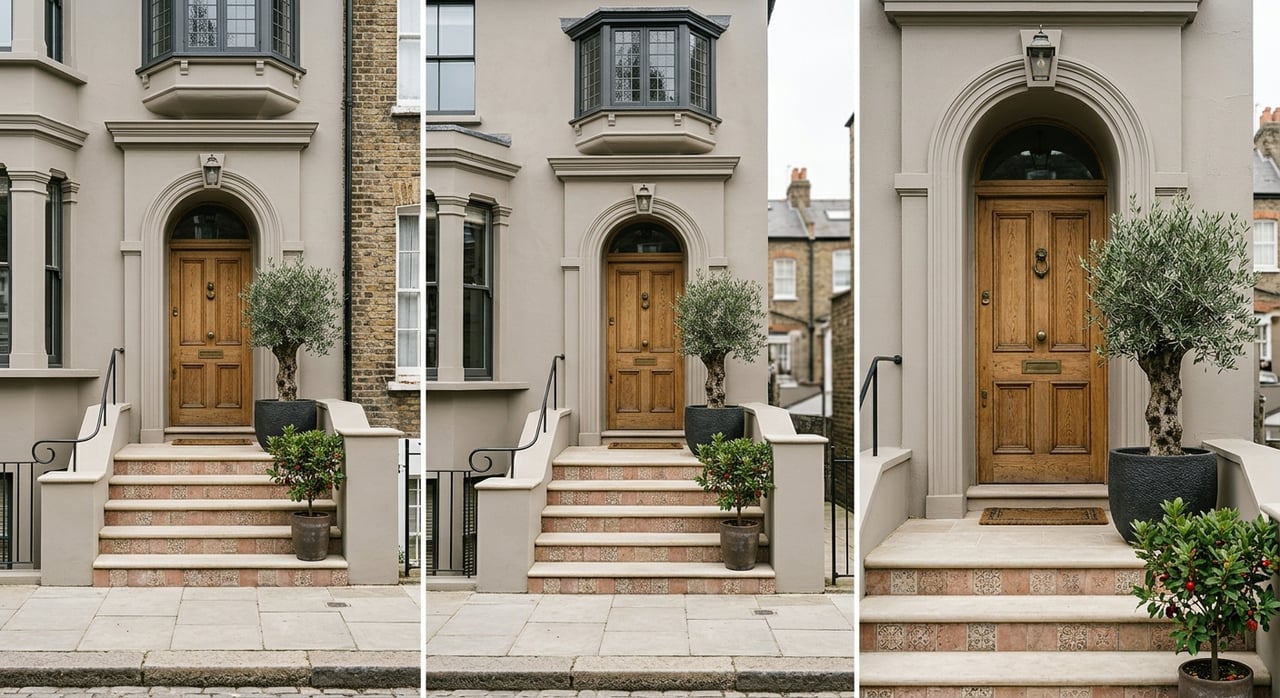
Cole Valley’s housing stock is best understood as low-rise and historically layered. Planning materials for nearby blocks describe a mix of residential, commercial, and mixed-use buildings, generally ranging from one to four stories, with some dating back to the early 1900s.
In the surrounding area, Victorian and Edwardian architectural styles are common. That does not mean every property looks the same, but it does support the broader impression of an older San Francisco neighborhood with architectural continuity.
For you, that often means homes with character rather than large-scale modern bulk. Near the commercial corridor, you may see storefront buildings and mixed-use properties, while the surrounding residential streets tend to feel more intact and residential in scale.
What Buyers Should Expect
If you are exploring homes in Cole Valley, it helps to set expectations early. Inventory may include older flats, condominiums, TIC opportunities, and small multi-unit or mixed-use buildings, depending on the block.
The neighborhood’s appeal is often tied to qualities that are harder to replicate in newer areas. Think established streetscapes, lower-rise buildings, and a sense of place that comes from historic architecture and a compact footprint.
That also means each property can require careful evaluation. In a neighborhood with older housing, layout, condition, natural light, and the relationship to the commercial corridor can all shape value and daily livability.
Parks and Outdoor Access
Cole Valley benefits from strong access to outdoor space, which is one reason it continues to attract lifestyle-driven buyers. The Panhandle connects directly with Golden Gate Park to the west, creating an easy link to one of San Francisco’s most well-known park systems.
Nearby Tank Hill adds another layer to the neighborhood’s appeal. City and park materials point to it as a short hike with views, giving you a quick nature break without leaving central San Francisco.
This access can shape how the neighborhood lives day to day. If you value walks, runs, bike rides, or easy park time, Cole Valley offers a practical connection to those routines.
Getting Around From Cole Valley
Transit is another major part of the neighborhood’s appeal. The N Judah runs through Cole Valley and connects riders with places that include Ocean Beach, the Outer Sunset, the Inner Sunset, downtown, Mission Bay, and the Caltrain terminal, according to SFMTA.
For many buyers, that supports a car-light lifestyle. The combination of a compact retail core, nearby parks, and established transit service can make everyday errands and citywide movement feel manageable.
That convenience matters even if you do own a car. In a city where location shapes your day-to-day experience, access to both neighborhood amenities and broader transit links can add meaningful flexibility.
Is Cole Valley Right for You?
Cole Valley tends to appeal to buyers who want neighborhood character without giving up centrality. If you are drawn to historic housing, a smaller commercial strip, and close access to green space, it may check several important boxes.
It can also be a strong fit if you prefer a neighborhood that feels local rather than heavily destination-driven. The appeal here is less about spectacle and more about daily ease, architectural texture, and a calmer street experience.
At the same time, the right fit depends on your priorities. If your ideal neighborhood requires a much larger retail scene or a faster-paced atmosphere, you may want to compare Cole Valley with nearby areas before deciding.
Why Hyperlocal Guidance Matters
In a neighborhood like Cole Valley, broad city-level generalizations are rarely enough. Small differences in block location, housing type, building condition, and proximity to the commercial strip can have an outsized impact on how a home feels and how it may perform over time.
That is where neighborhood-specific guidance becomes especially valuable. Whether you are comparing a classic flat, a condo, or a TIC, understanding the nuances of Cole Valley can help you make a decision that supports both your lifestyle and long-term goals.
If you are thinking about buying or selling in Cole Valley, working with someone who understands San Francisco block by block can help you move forward with more clarity and confidence. To start the conversation, connect with Lauren Fraser.
FAQs
What is Cole Valley like in San Francisco?
- Cole Valley is a small central San Francisco neighborhood with a compact residential feel and a short commercial corridor centered on Cole Street.
What types of homes are common in Cole Valley?
- Buyers will typically find low-rise, historically layered housing, including older flats, mixed-use buildings near the corridor, and homes with Victorian or Edwardian character in the surrounding area.
Is Cole Valley a quiet neighborhood?
- City descriptions and planning context suggest Cole Valley has a quieter, more village-like feel than larger nearby districts because of its small footprint and concentrated retail spine.
What shops and restaurants are in Cole Valley?
- The neighborhood’s main strip includes a mix of coffee shops, dining spots, convenience-oriented businesses, and local gathering places such as Zazie, Luke’s Local, Cole Hardware, InoVino, and The Ice Cream Bar.
Does Cole Valley have good park access?
- Yes. Cole Valley is close to the Panhandle and Golden Gate Park, and Tank Hill is also nearby for a short hike and city views.
Is Cole Valley convenient for transit?
- Yes. The N Judah runs through Cole Valley and connects the neighborhood to other parts of San Francisco, including downtown, Mission Bay, the Inner Sunset, and the Caltrain terminal.