Wondering whether Noe Valley fits the way you want to live next? That question matters, especially in San Francisco, where each neighborhood has its own rhythm, housing mix, and day-to-day feel. If you are looking for a place that balances residential character, local convenience, parks, and solid transit access, Noe Valley deserves a close look. Let’s dive in.
What Noe Valley feels like
Noe Valley is one of those San Francisco neighborhoods that feels established rather than newly created. According to San Francisco Planning, its biggest development period ran from 1878 to 1914, with additional infill into the mid-century. That history still shows up today in a neighborhood fabric made up of one- and two-unit homes, flats, and residential units above ground-floor commercial spaces.
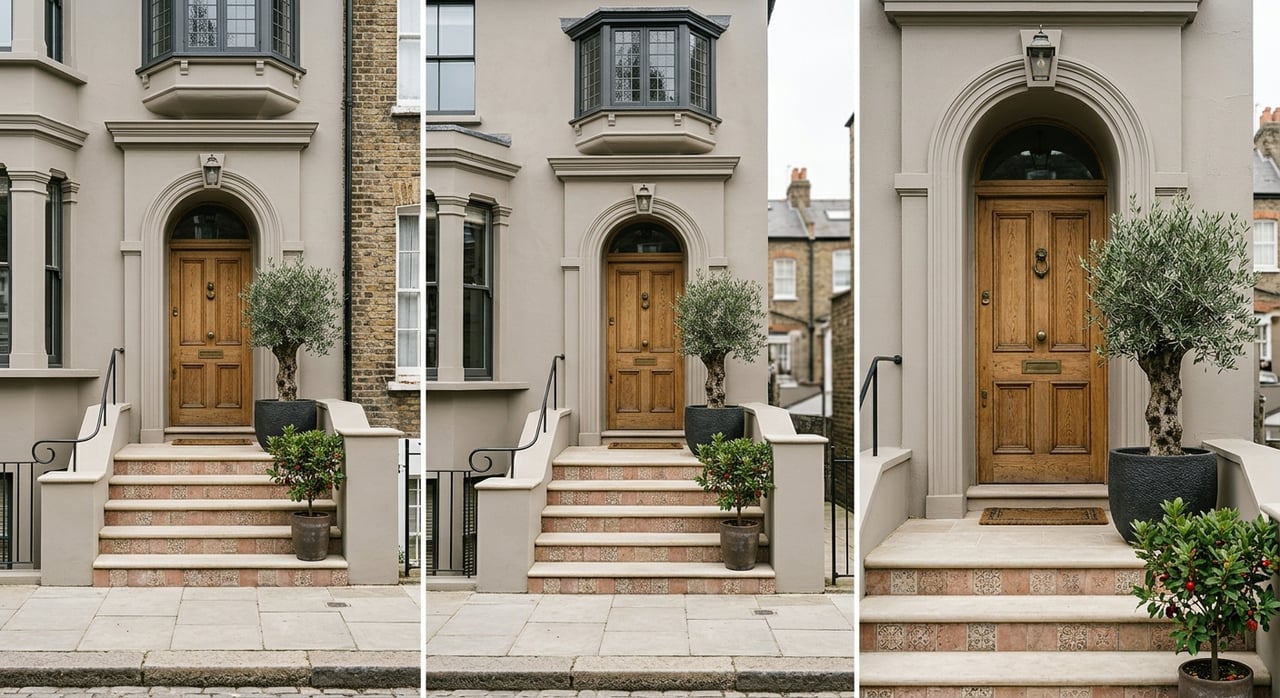
For you as a buyer, that means Noe Valley is not a uniform block of lookalike properties. Buildings are typically two to four stories and include Victorian, Edwardian, Period Revival, and Mid-Century styles. The result is a neighborhood with strong visual character and meaningful variation from one home to the next.
Why the housing stock matters
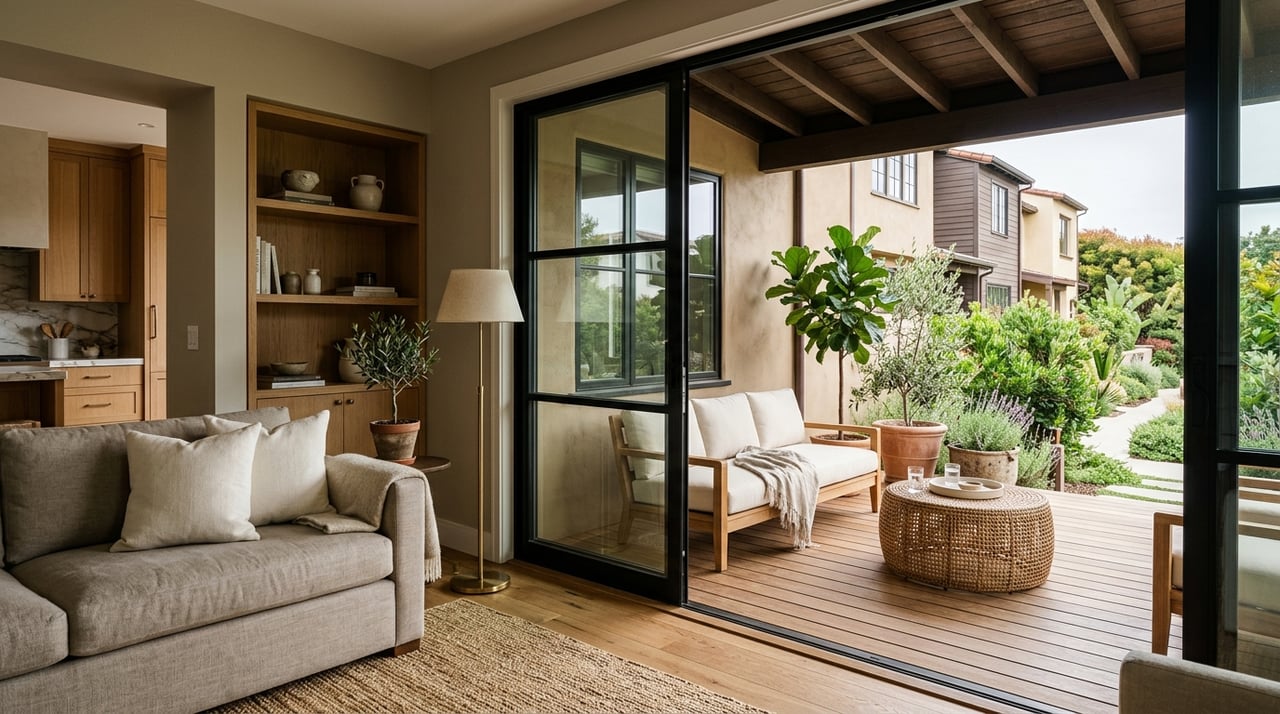
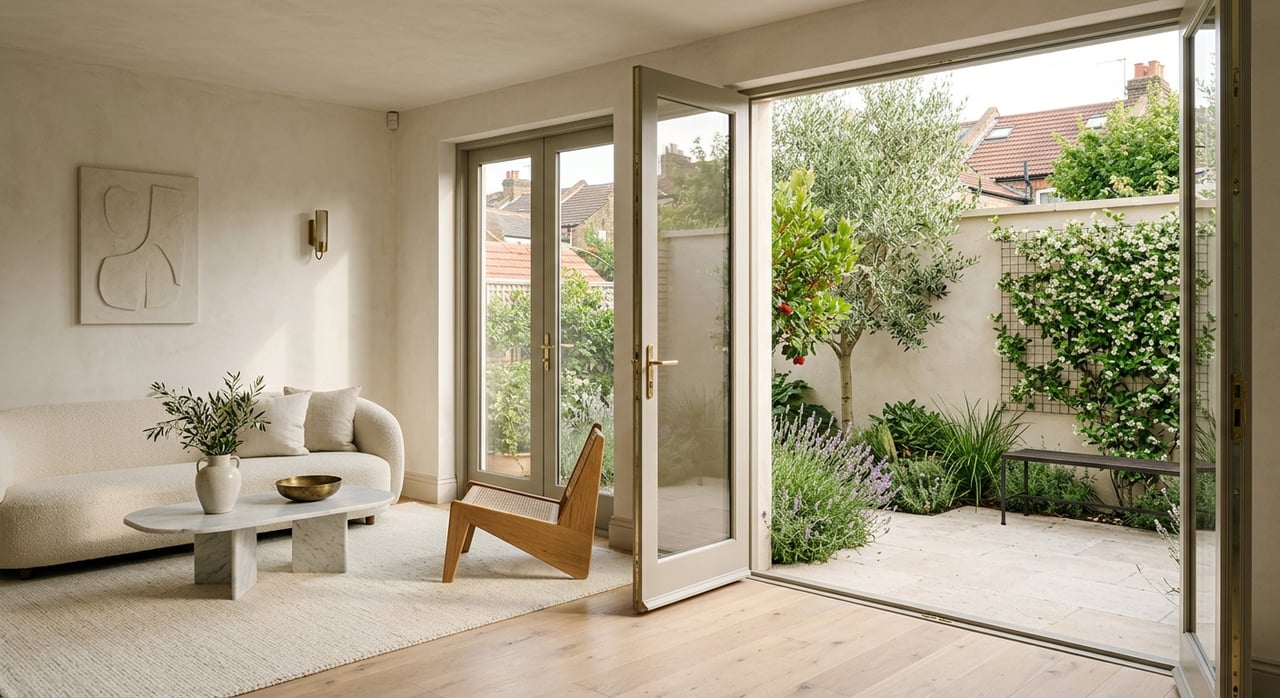
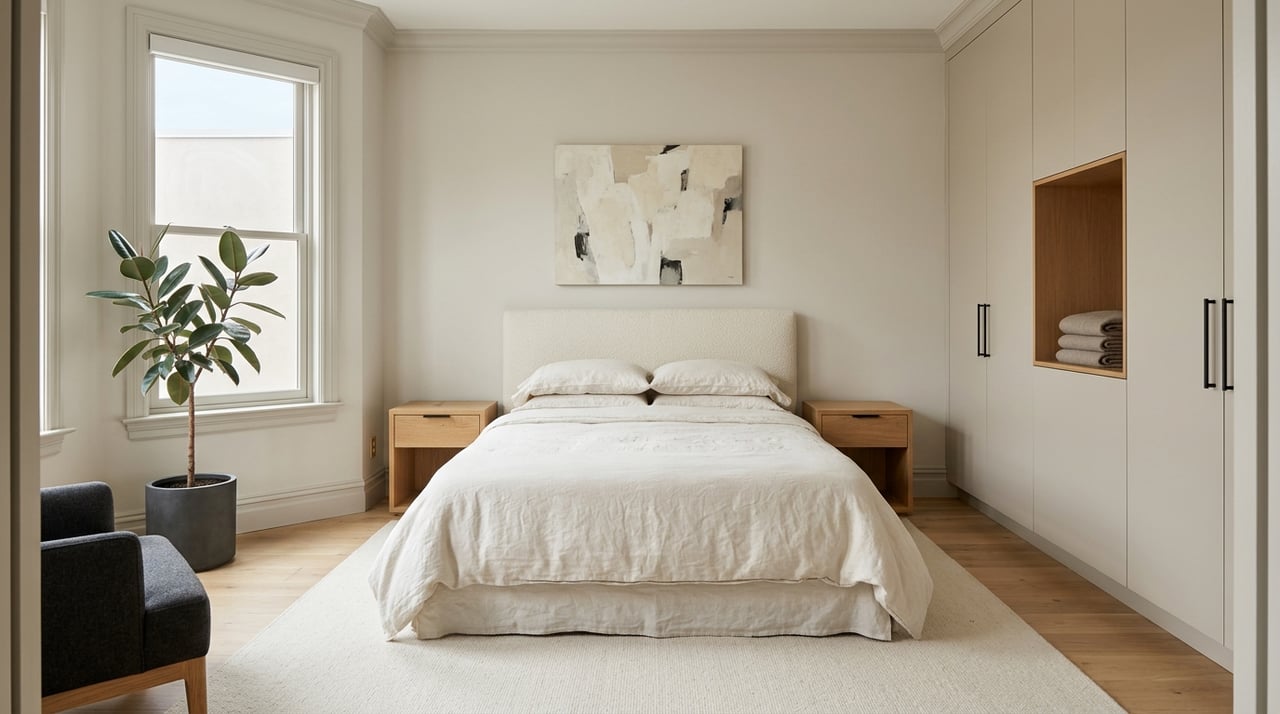
Older housing can be a major draw, but it also shapes your search. In Noe Valley, charm often comes with differences in layout, condition, and renovation level. Two homes on the same street can offer very different floor plans, natural light, storage, or updates.
That is one of the biggest reasons this neighborhood tends to reward a careful, property-by-property approach. If you are thinking about your next chapter in practical terms, it helps to look beyond curb appeal and understand how each home supports your actual routine, space needs, and long-term plans.
Expect variety, not sameness
Because Noe Valley is older and largely built out, many homes reflect different eras of construction and renovation. Some properties may preserve more original details, while others may have undergone substantial updates over time. That mix can create opportunity, but it also means you need a sharp eye when comparing value.
Historic context shapes the streetscape
The neighborhood also includes the 24th Street Victorian and Progressive Era Historic District, identified in the city’s 2025 survey findings. That adds useful context if you are drawn to the area’s architectural identity. In Noe Valley, the built environment is part of the appeal, not just a backdrop.
The 24th Street corridor is the daily-life hub
A big part of Noe Valley’s appeal is that its center feels local and easy to use. San Francisco Planning describes the 24th Street-Noe Valley Neighborhood Commercial District as a small-scale, daytime-oriented, mixed-use corridor running along 24th Street between Chattanooga and Diamond. Street-level retail and personal services are paired with residential uses above, which helps the area feel active without feeling overwhelming.
This is where the neighborhood’s often-mentioned village feel becomes easier to understand. Daily errands, coffee stops, casual meetups, and weekend routines are concentrated in a compact commercial core rather than spread across a wide area. If you value walkable convenience, that can be a real quality-of-life advantage.
Town Square adds a true gathering place
Noe Valley Town Square gives the neighborhood a central public space that supports regular community use. Rec & Park describes it as a gathering space that can host farmers’ markets, café seating, exercise classes, food pantries, music events, bingo, and senior events. The Noe Valley Community Benefit District also helps keep the space clean and secure.
The Noe Valley Farmers Market operates there on Saturdays from 8 a.m. to 1 p.m. at 3861 24th Street. For many buyers, that kind of predictable weekly rhythm helps turn a neighborhood from simply attractive into genuinely livable.
Parks support everyday routines
If outdoor access matters to you, Noe Valley offers more than scenic streets. The neighborhood has parks and recreation spaces that support active, repeat use throughout the week. That makes a difference if you want a neighborhood that works for real life, not just weekend walks.
Upper Noe Recreation Center includes a playground, fenced dog run, basketball courts, tennis, baseball or softball space, picnic areas, a gymnasium, an auditorium, and a multipurpose field. Douglass Playground adds an athletic field, off-leash dog area, basketball, picnic areas, playground, restrooms, and tennis.
These amenities help explain why Noe Valley appeals to buyers who want a longer-term residential base. Whether your routine includes dog walks, playtime, pickup sports, or simply more reasons to spend time outside, these parks add practical value to the neighborhood.
Community anchors add staying power
The Noe Valley/Sally Brunn Branch Library is another part of what makes the neighborhood feel established and grounded. Located at 451 Jersey Street, the branch offers regular weekly hours along with recurring programs such as book groups, a knitting circle, and events for families and children. Its history also runs deep, first opening in 1916 and later undergoing renovation in 2008.
For buyers thinking about their next chapter, places like the library matter more than they might seem at first glance. They reflect the kind of neighborhood where daily life has structure, familiarity, and local connection.
Transit works, with a realistic caveat
Noe Valley offers solid transit access by San Francisco standards. SFMTA lists service from J Church, 14 Mission and 14R, 24 Divisadero, 35 Eureka, 48 Quintara/24th Street, 49 Van Ness/Mission, and other routes. One especially relevant local transit node is the J Church stop at Church and 24th.
That said, regional rail access is not centered right in the middle of the neighborhood. BART notes that 24th Street Mission Station serves as a major transit hub where the Mission District, Bernal Heights, and Noe Valley come together, and Glen Park Station also connects to San Francisco Muni. In practical terms, Noe Valley can work well for car-light living, but regional rail is generally at the neighborhood’s edge rather than embedded in its core.
Who Noe Valley tends to suit best
Noe Valley often makes sense for buyers who want a residential neighborhood with a clear center, everyday amenities, and housing with architectural character. Based on the planning profile and neighborhood features, it looks especially strong for first-time and move-up buyers who want a place that can support longer-term living.
If you are drawn to neighborhood-scale errands, active parks, and a home search that rewards nuance, this area may feel like a strong fit. If you want brand-new uniformity or a neighborhood built around a single major rail station, you may find the tradeoffs less compelling.
Signs it may be a good fit
- You want an established San Francisco neighborhood with architectural variety
- You value a local commercial corridor for errands and daily routines
- You want parks and recreation spaces that support regular use
- You are comfortable evaluating older homes with varying levels of updates
- You like the idea of car-light living, even if regional rail is nearby rather than central
Tradeoffs to think through
- Housing condition and layout can vary significantly from one property to the next
- Inventory may require patience if you have a very specific checklist
- Regional train access is convenient, but usually not in the middle of the neighborhood experience
How to evaluate Noe Valley strategically
If Noe Valley is on your shortlist, the smartest move is to evaluate both the neighborhood and the individual property with equal care. In a place with older housing stock, broad assumptions are less useful than specific analysis. The best-fit home is often the one that balances character, functionality, and realistic long-term value.
As you compare options, pay close attention to layout flow, renovation quality, outdoor space, storage, and how close you want to be to 24th Street, parks, or transit nodes. In a neighborhood like this, small differences can have a big effect on lifestyle.
Noe Valley is not for everyone, and that is exactly what makes it worth understanding clearly. If your next chapter calls for a neighborhood with character, a strong daily-life core, and a more residential pace within San Francisco, it may be one of the city’s most compelling options.
If you want help weighing Noe Valley against other San Francisco neighborhoods, or evaluating a specific home with a clear strategy, Lauren Fraser can help you make a confident, informed move.
FAQs
Is Noe Valley a good fit for long-term living in San Francisco?
- Noe Valley can be a strong fit for long-term living if you want an established residential neighborhood with parks, a local commercial core, and housing with architectural character.
What kind of homes are common in Noe Valley?
- San Francisco Planning describes a mix of one- and two-unit homes, flats, and residential units above commercial space, with Victorian, Edwardian, Period Revival, and Mid-Century styles commonly represented.
How walkable is daily life in Noe Valley?
- Daily life is supported by the 24th Street commercial corridor, which serves as a compact, local hub for retail, services, and neighborhood routines.
Does Noe Valley have parks and recreation options?
- Yes. Upper Noe Recreation Center and Douglass Playground offer amenities including playgrounds, dog areas, courts, athletic fields, picnic space, and other recreation features.
How does transit work in Noe Valley?
- Noe Valley has multiple Muni lines serving the area, including J Church and several bus routes, while BART access is generally available at the neighborhood’s edge through stations such as 24th Street Mission and Glen Park.
What is the main tradeoff when buying in Noe Valley?
- A key tradeoff is that the neighborhood’s older, built-out housing stock creates meaningful variation in layout, condition, and renovation level from one property to the next.