Looking for more space in San Francisco without giving up central access? North of the Panhandle, often called NoPA, stands out for exactly that balance. If you want a neighborhood with a strong park connection, practical transit options, and a lower entry point than many nearby districts, this is one to watch. Let’s take a closer look.
Why NoPA Gets Attention
NoPA sits between Masonic Avenue and Turk Street, and Divisadero Street and Fell Street, according to the North of Panhandle Neighborhood Association. Its defining feature is easy access to the Panhandle, a three-quarter-mile-long park that connects directly to Golden Gate Park. That gives you green space at your doorstep while keeping you close to the center of the city.
For many buyers, that mix matters. You can enjoy a neighborhood feel and still stay connected to Downtown, Civic Center, and other established San Francisco districts. In a city where location tradeoffs often feel sharp, NoPA offers a more balanced equation.
What Buyers Actually Find Here
If you picture rows of detached homes, NoPA may surprise you. The housing stock is mostly multi-unit, with older flats, condos, and smaller apartment-style buildings making up the largest share of homes. Only 8.2% of the area’s 3,256 housing units are detached single-family homes.
That matters because it shapes both price points and buyer expectations. If you are shopping in NoPA, you are more likely to compare condos, TICs, and units in smaller multi-unit buildings than traditional detached houses. For many city buyers, that opens the door to more attainable options in a central location.
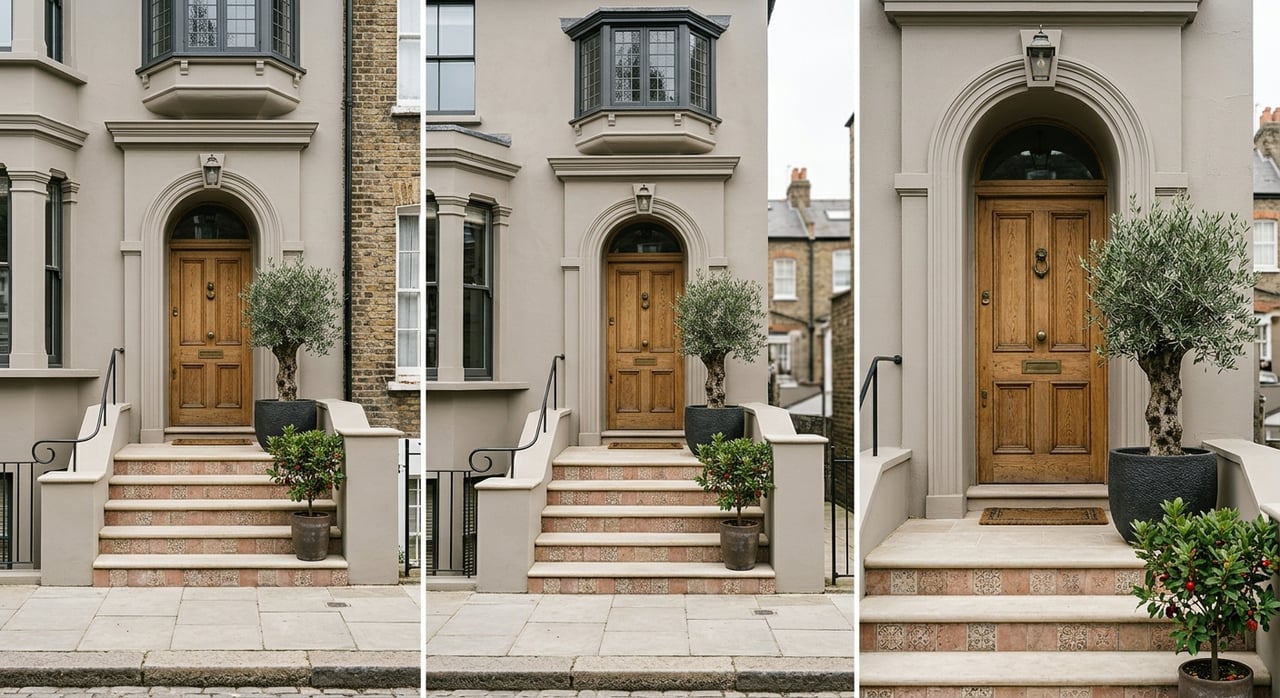
The housing also skews older. The median construction year is 1944, and 62.7% of homes were built before 1940. Older San Francisco housing can offer appealing period details and established streetscapes, but it also means condition, layout, natural light, and building upkeep can vary meaningfully from one property to the next.
NoPA Pricing in Context
In Q1 2026, NoPA posted a median sales price of $955,000. Over the same quarter, San Francisco overall posted a median sales price of $1.53 million. That places NoPA about 37.6% below the citywide median.
For buyers, that price gap is one of the neighborhood’s clearest draws. You are still in a central San Francisco location, but at a lower entry point than many shoppers expect when they start comparing established neighborhoods. That does not make every listing a bargain, but it does make NoPA worth a closer look if you want to stay in the city without stretching into some of the highest-priced districts.
There is one important caveat. NoPA had only six closed sales in Q1 2026, with two homes in inventory at quarter-end. In a neighborhood with that little sales volume, quarterly numbers can move around more dramatically than they do in larger markets.
How NoPA Compares Nearby
Looking at nearby neighborhoods helps clarify where NoPA fits in the market.
- Hayes Valley had a Q1 2026 median sales price of $1.03 million, making NoPA about 7.3% less expensive.
- Lower Pacific Heights came in at $1.24 million, putting NoPA about 23.0% lower.
- Alamo Square reached $1.58 million, or about 39.6% above NoPA.
- Cole Valley posted $2.28 million, making NoPA about 58.1% lower.
- Richmond District reached $2.44 million, putting NoPA about 60.9% lower.
Taken together, these comparisons show why NoPA often appeals to buyers who want central access but need to be thoughtful about budget. It sits below several nearby benchmarks that many San Francisco buyers use when comparing neighborhood options.
Days on Market Tell a Useful Story
Price is only part of the picture. In Q1 2026, NoPA averaged 27 days on market, compared with 34 days for San Francisco overall. That suggests buyers are still moving with purpose when the right property comes up.
At the same time, nearby neighborhoods showed different pacing. Hayes Valley averaged 20 days on market, Lower Pacific Heights 36, Alamo Square 13, Cole Valley 48, and Richmond District 18. The takeaway is not that one neighborhood is universally better than another. It is that buyer demand looks different depending on price point, inventory, and property type.
Park Access Is a Real Lifestyle Advantage
The Panhandle is not just a map feature. It is one of the neighborhood’s strongest daily-use assets. Having direct access to a long linear park that leads into Golden Gate Park can shape how you use the neighborhood, whether that means walking, running, biking, or simply having more open space nearby.
For buyers who want city living without feeling boxed in, this can be a meaningful advantage. You are not choosing between urban convenience and green space quite as sharply as you might in other parts of San Francisco.
Transit Makes the Neighborhood Work
NoPA also benefits from strong Muni access. Service in and around the neighborhood includes the 5 Fulton, 5R Fulton Rapid, 24 Divisadero, 43 Masonic, and 6 Hayes/Parnassus line. These routes connect the area to Civic Center, Downtown and the Salesforce Transit Center, Golden Gate Park, the Inner Sunset, the Richmond, and other central neighborhoods.
That level of transit access helps explain the neighborhood’s appeal. For many buyers, it supports a lifestyle where a car is helpful but not essential for every trip. In a city where mobility shapes day-to-day quality of life, that flexibility matters.
Why Space Means Something Different Here
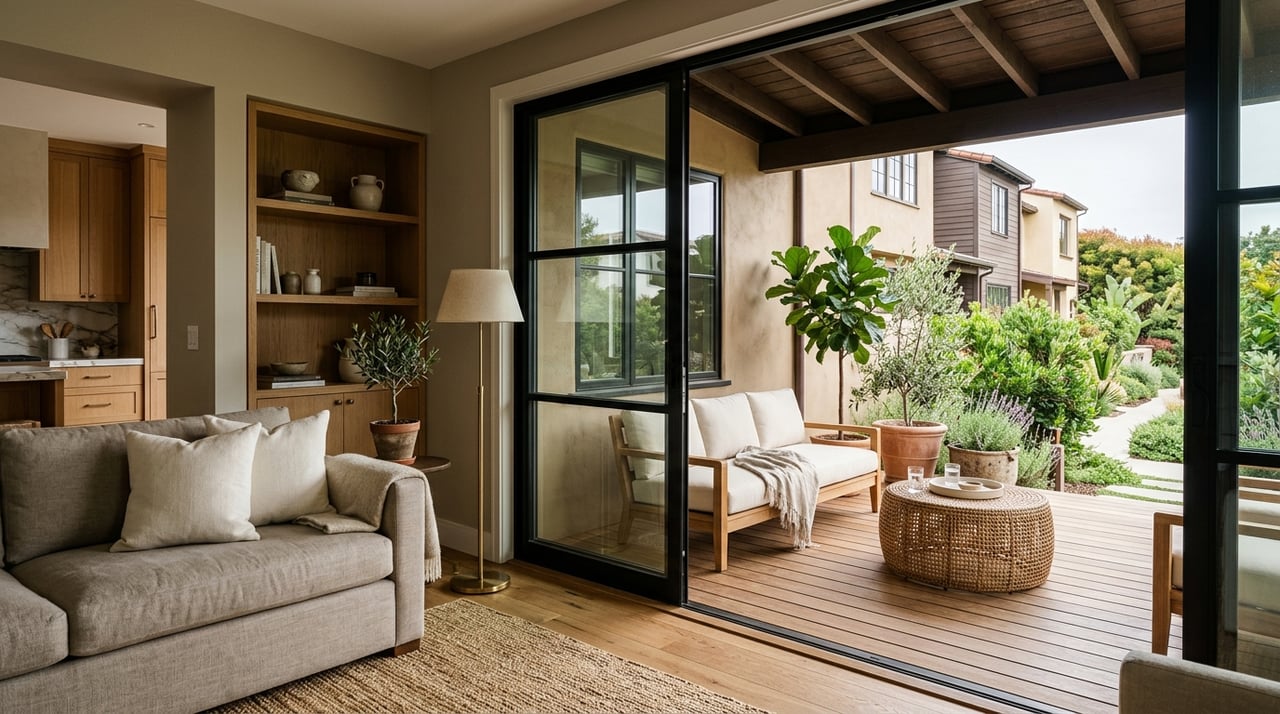
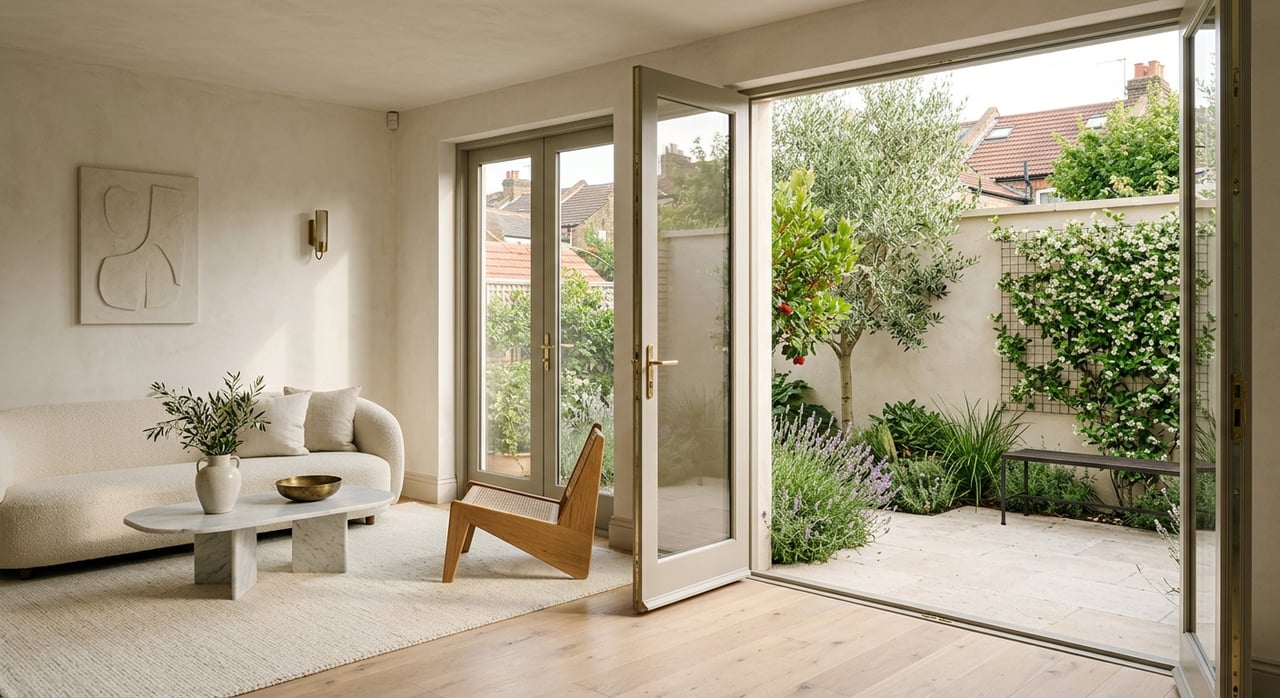
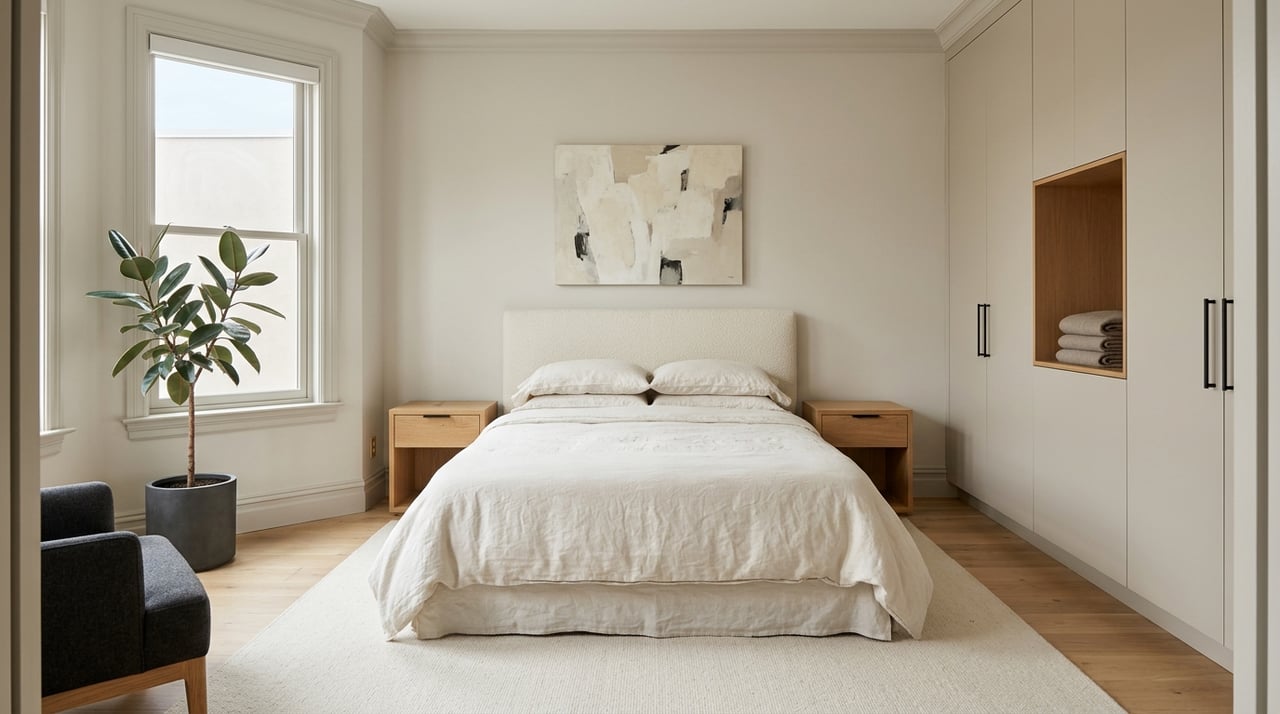
When buyers say they want more space in San Francisco, they do not always mean a large detached home. Often, they mean a smarter layout, better light, more storage, a second bedroom, or a building that offers a stronger sense of separation and comfort. In NoPA, that version of space can be more realistic than in some pricier nearby neighborhoods.
Because the area has a mix of older flats, condos, and small multi-unit buildings, you may find options that deliver usable square footage and central access without crossing into much higher price brackets. The key is to look closely at how each home lives, not just the headline number.
What to Evaluate Before You Buy
In a neighborhood like NoPA, property-by-property analysis matters. Limited recent construction means most buyers will be choosing among older housing stock, where details can have a major effect on long-term satisfaction and value.
When comparing homes, pay close attention to:
- Building condition
- Interior layout and flow
- Natural light
- Parking, if it matters to your lifestyle
- Proximity to the Panhandle
- Access to major transit lines
- The difference between a condo, TIC, or other ownership structure
This is where neighborhood knowledge becomes especially useful. Two homes on paper can look similar but feel very different in person once you factor in block location, building upkeep, and how the space actually functions.
A Supply-Constrained Neighborhood
NoPA’s long-term appeal is also shaped by limited new supply. In the census-based profile, only three homes were built since 2020. Most of the housing remains older, attached, and multi-unit.
That does not guarantee appreciation, but it does help explain why buyers continue to pay attention to the area. In neighborhoods with constrained supply and strong location fundamentals, quality differences tend to matter. Well-positioned homes near the park or transit can stand apart quickly.
Who NoPA May Fit Best
NoPA can make sense for a few different buyer profiles. It may work well if you want central San Francisco access but are priced out of nearby neighborhoods with higher median values. It can also be a fit if you prefer a classic city setting with older housing stock and everyday access to open space.
It may be especially worth considering if you are open to condos or TICs rather than focusing only on detached homes. In a neighborhood where multi-unit housing dominates, flexibility around property type can create more opportunities.
The Bottom Line on NoPA
North of the Panhandle offers something many San Francisco buyers are chasing: a way to stay central, stay connected, and gain more breathing room in the budget. With a Q1 2026 median sales price of $955,000, access to the Panhandle and Golden Gate Park, and multiple transit lines nearby, it holds a distinctive place in the city’s neighborhood landscape.
If you are considering NoPA, the right approach is not to shop only by price. It is to weigh layout, condition, ownership structure, and block-by-block context carefully. If you want clear guidance on how NoPA compares with other San Francisco neighborhoods, Lauren Fraser can help you evaluate the options with a local, strategic lens.
FAQs
What kind of homes are most common in NoPA?
- NoPA is mostly made up of older multi-unit housing, including flats, condos, and smaller multi-unit buildings, rather than detached single-family homes.
How does NoPA pricing compare with San Francisco overall?
- In Q1 2026, NoPA’s median sales price was $955,000, compared with $1.53 million for San Francisco overall.
What makes NoPA appealing to buyers in San Francisco?
- Buyers are often drawn to NoPA for its combination of central location, direct access to the Panhandle and Golden Gate Park, and a lower entry point than several nearby neighborhoods.
What transit options serve NoPA?
- Muni service includes the 5 Fulton, 5R Fulton Rapid, 24 Divisadero, 43 Masonic, and 6 Hayes/Parnassus lines.
Why do buyers need to look closely at individual NoPA properties?
- Because much of the housing stock is older, differences in condition, layout, natural light, parking, and building quality can significantly affect how a home lives and how it compares in value.