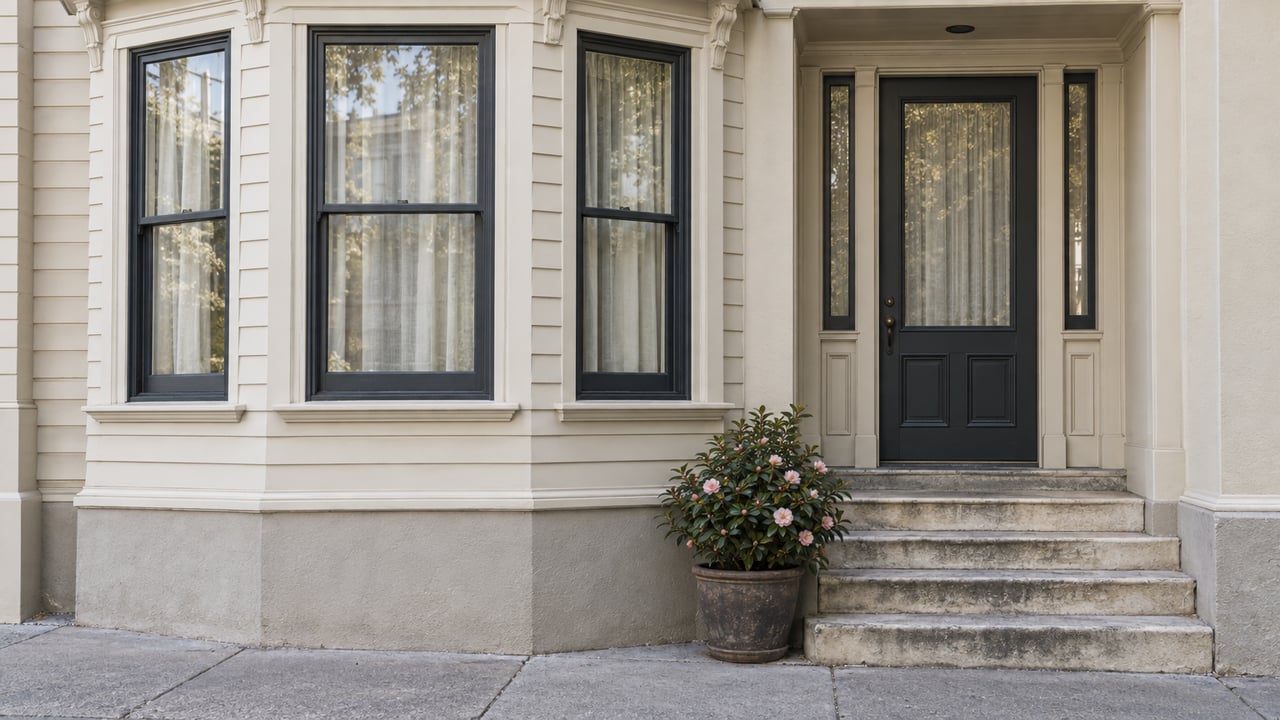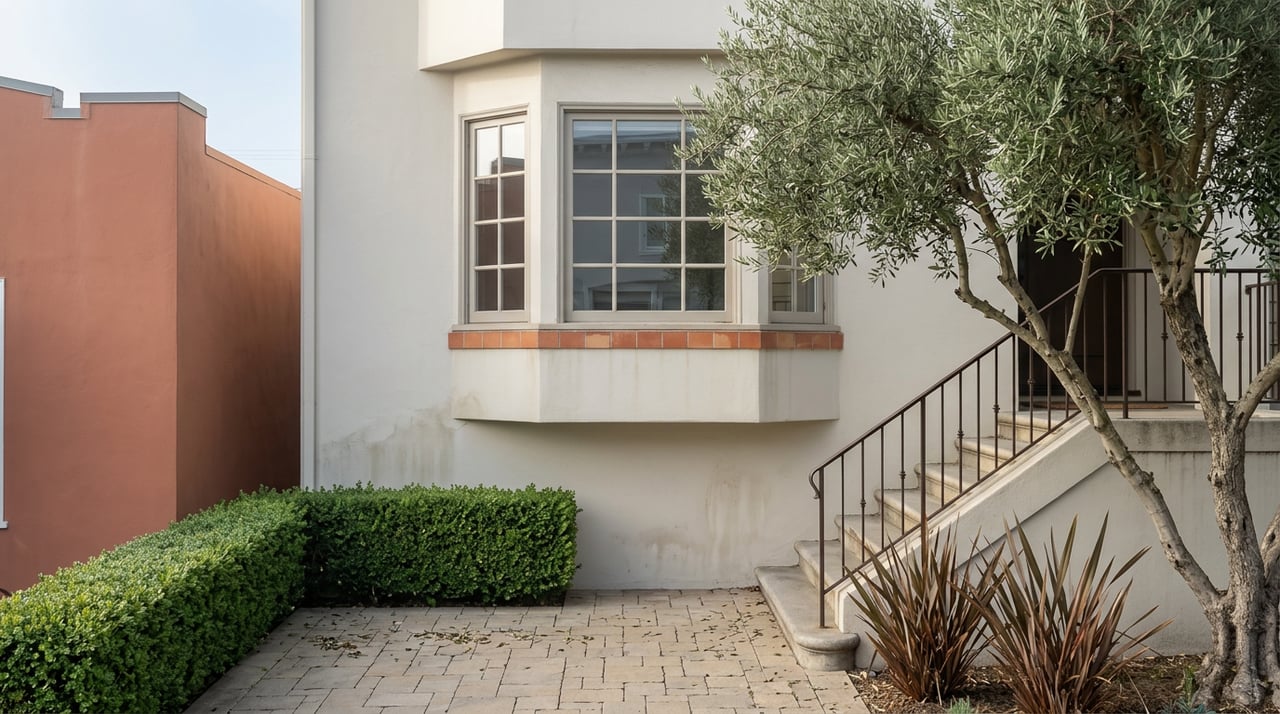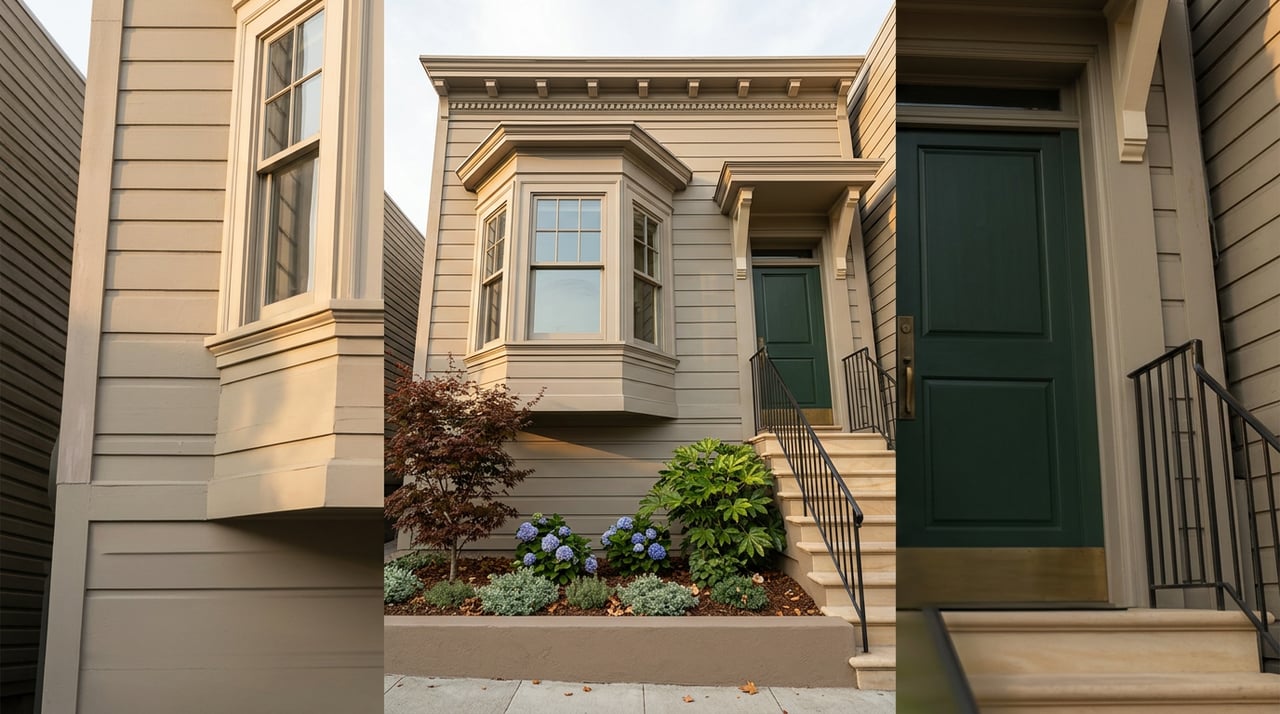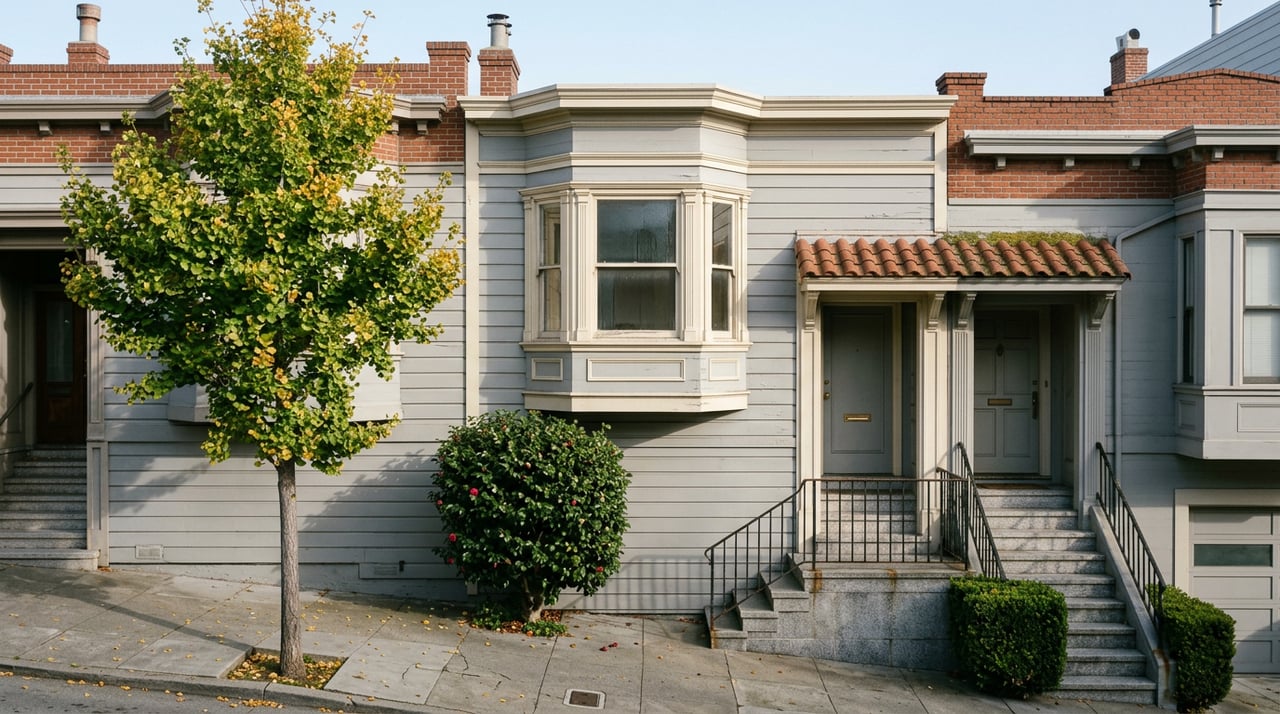
Walk past 4063 18th Street and you'll see scaffolding where a "for lease" sign used to hang. For the better part of seven years, that two-story building sat empty, a reminder every regular on the block could point to when talking about what the neighborhood used to have. Before it was empty, it was Eureka Restaurant & Lounge, a Southern-inflected dinner spot with fried chicken livers and gumbo on the menu, run by chef Gaines Dobbins from 2007 until it closed in July 2019, almost a year before anyone had heard of a pandemic. Before that, from 1972 to 1988, the same address was Neon Chicken. The building has a layout problem baked into its bones: the kitchen sits between the front and rear dining rooms, so servers have to walk through it to get from one side to the other. That quirk is part of why the space sat dark so long even as other storefronts nearby found tenants.
This fall, it won't be empty anymore. And the reason it's filling now, at this specific moment, is the same reason three other Castro storefronts have filled in the past eight months.
The Space Everyone Watched
The Castro's business community has been counting its empty storefronts on purpose. For years, the Castro Community Benefit District ran a public tracker called "I'm Available" to flag vacant ground-floor spaces, and when the CBD stepped back from that project, the Castro Merchants Association picked it up, launching a block-by-block survey of commercial spaces to understand where and why vacancies were clustering. The Eureka space was the one everyone kept mentioning. Andrea Aiello, the CBD's executive director, put it plainly when the news broke that someone had finally signed a lease there.
"Eighteenth Street has slowly been bringing vibrancy back to the Castro; the remaining long-term vacancy at Eureka Lounge was a holdout we were all concerned about," Aiello said.
That's not the language of a neighborhood casually watching restaurants come and go. It's the language of a business community that had been tracking one specific address as a bellwether.
The Same Owner, the Same Bet, Twice
The person who signed that lease is Colm O'Brien, and this is not his first time reviving a stalled Castro address. In 2024, O'Brien took over the old Bagdad Café space at 2295 Market Street and turned it into Bar 49, which has become a regular neighborhood hangout since. Now he's doing it again, this time at the old Eureka space, under the name NOVA. Construction is expected to take roughly six months, and O'Brien has said the goal is to open early this fall, positioning the new restaurant and bar as a place to land both before and after a night out nearby.
"It's a perfect spot to gather before or after a performance for drinks, to meet friends on the patio during the day, or have a nightcap upstairs at the bar," O'Brien said.
That's a specific bet, not a general one. "Before or after a performance" only makes sense if there's a performance venue close enough to matter. There is, and it reopened seven months before NOVA's target date.
The Theatre Changes the Math
The Castro Theatre went dark in February 2024 and stayed that way for two years while Another Planet Entertainment carried out a $41 million renovation, one of the more contested rehabs in recent San Francisco memory. The most argued-over change was structural: APE removed the theatre's fixed, raked orchestra seating in favor of a motorized platform system, trading the traditional movie-palace floor for one that can reconfigure between film screenings and standing-room concerts. Preservationists pushed back hard. The theatre reopened anyway, on February 6, 2026, with an eight-night Sam Smith residency, followed through the year by Lucy Dacus, the Breeders, Father John Misty, Perfume Genius, Jonathan Van Ness, and Santigold. In June, it hosted Frameline's 50th San Francisco International LGBTQ+ Film Festival, bringing one of the theatre's oldest tenants back to its original home. Another Planet has projected the venue will draw more than 200,000 visitors a year, and the company has been explicit that part of the goal is spillover: foot traffic for the restaurants, bars, and cafes within walking distance.
That projection is now showing up in lease decisions. Here's how four Castro spaces line up on the same timeline:
| Address | What closed | What's arriving | Timing |
|---|---|---|---|
| 4063 18th Street | Eureka Restaurant & Lounge, closed July 2019 | NOVA, from Bar 49's Colm O'Brien | Targeted for early fall 2026 |
| Noe and Market (former Cafe Flore) | Fisch & Flore, which never found its footing | Parasol at Flore, from Jacob Paronyan | Dinner service running since spring 2026 |
| 2375 Market Street | Chadwick's | Gada, raclette sandwiches from Moe Abibi | Opened January 2026 |
| Castro Theatre | Dark for renovation since February 2024 | Reopened after $41M renovation | Reopened February 6, 2026 |
Four different storefronts, four different operators, one shared calendar. The theatre didn't just reopen. It reset the odds for every empty lease within a few blocks of it.
Three Storefronts, Same Signal
Parasol at Flore is the clearest example of what's changed. The space at Noe and Market has a complicated recent history: it was Cafe Flore for decades, then Fisch and Flore took it over and, by most accounts, never quite found its footing. Jacob Paronyan, who also owns Roaming Goat in Cow Hollow, took the space this year and rebuilt it as an American bistro with a wine list built around Armenian and Georgian bottles, an unusual choice for a Castro corner that's used to more familiar pours. It soft-opened for breakfast in the spring and moved into full dinner service by May, offering a menu that lets you sit at the bar for just fries and a drink or settle in for a full plate, something the previous tenant reportedly struggled to make work.
A few blocks down Market Street, Gada opened in January in the former Chadwick's space at 2375 Market. Owner Moe Abibi, who spent years working in delis around the city, built the menu around raclette cheese sandwiches, served on traditional rolls and also on mlewi, a Tunisian flatbread, a combination he says doesn't exist anywhere else in San Francisco. Nearby, Antoine's Cookie Shop opened its first San Francisco location at 2073 Market, selling fresh cookies at $2.75 each and discounting the previous day's batch by half, a price point owner Antoine Tang says he's proud of and one that's made the shop popular with kids from nearby schools after class lets out.
None of these three openings needed the Castro Theatre to succeed on their own merits. But all three landed inside the same eight-month stretch of 2026, in a neighborhood where the merchants association was actively tracking which storefronts sat empty and for how long. That's not a coincidence you can wave off as generic post-pandemic recovery. It's a specific bet on a specific calendar.
What's Actually on the Calendar This Fall
If you live in Eureka Valley, the theatre's return isn't just about concert tickets. It shows up in the neighborhood's regular rhythm, the stuff that was already part of the calendar before any of this year's restaurant news:
- Castro Street Fair, Sunday, October 4, from 11 a.m. to 6 p.m., marking the fair's 52nd year with the theme "Where We Belong." Expect closures along Market Street from Noe to Castro, Castro Street from Market to 19th, and stretches of 17th and 18th, with the K, L, M, and S Muni Metro lines all stopping inside the fairgrounds.
- Castro Art Walk, every first Friday from 5 to 8 p.m., a self-guided route through galleries including MAG Galleries, Welcome Castro, The Artists' Gallery, Queer Arts Featured, and Chartreuse by Roje, with participating businesses extending their hours to host art and installations.
- Castro Night Market, held on the third Friday of select months on 18th Street, a free, alcohol-free evening built around local food vendors and live entertainment.
- Castro Wine Walk, a fall tradition that runs participants through roughly eleven local businesses for seasonal pours.
None of these events are new this year. What's new is what surrounds them: a theatre marquee that's lit again, a long-vacant restaurant space under scaffolding instead of a lockbox, and a stretch of Market and 18th Streets where the empty storefronts everyone used to point out are, one by one, getting filled by people who already know the neighborhood well enough to bet on its timing.
If you've lived here through the years the Eureka space sat dark, you already know how long that kind of vacancy can shape how a block feels. Watching it close, on a timeline built around a reopened theatre rather than random luck, is worth noticing while it's happening.
For those thinking further ahead about property in Eureka Valley or the Castro, Lauren Fraser Properties tracks these kinds of shifts as part of everyday work in the neighborhood. Let's Connect.