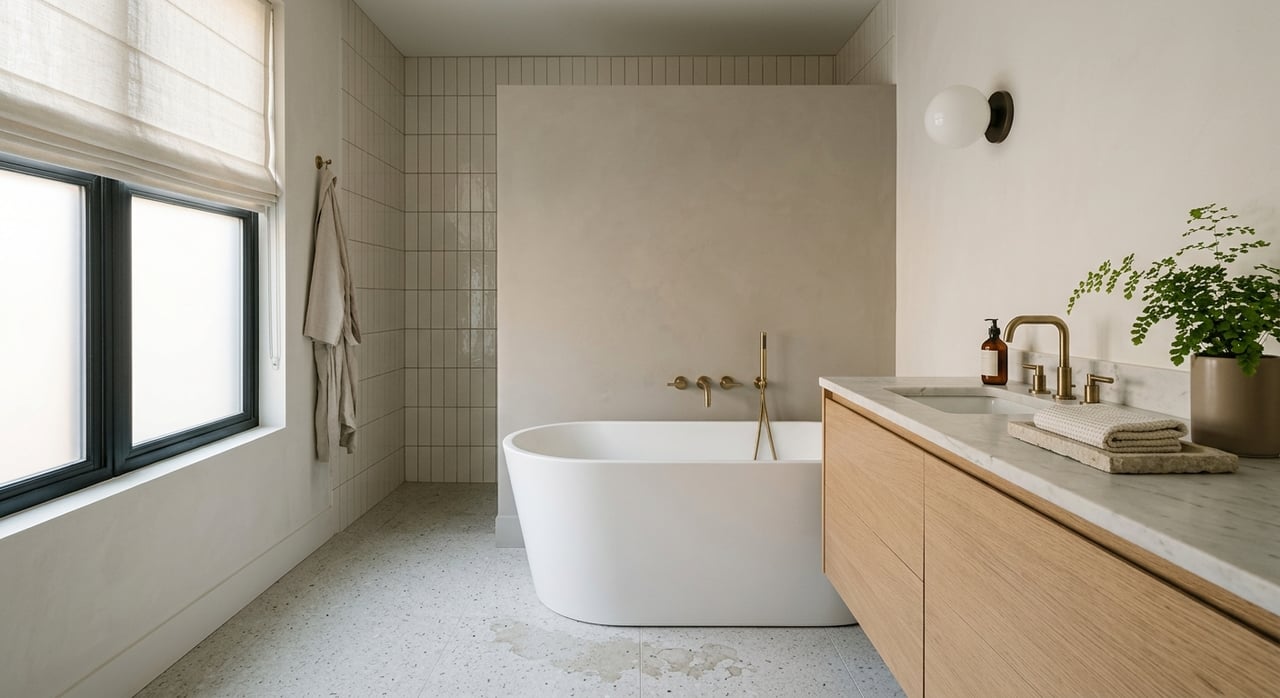
When you sell in Pacific Heights, presentation is not a finishing touch. It is part of the strategy. In a neighborhood where buyers often see beautiful architecture, refined interiors, and well-prepared listings, even small details can shape how your home is perceived. The good news is that smart staging does not mean stripping away personality or launching a full remodel. It means highlighting what already makes your home special, helping buyers connect with the space, and creating a polished first impression from the street to the final room. Let’s dive in.
Why staging matters in Pacific Heights
Pacific Heights is a high-price, fast-moving market. Redfin reported a median sale price of $2.43 million for the three months ending May 2026, with homes averaging 13 days on market and 62.1% selling above list price. In that kind of environment, strong presentation can help your home compete at the level buyers expect.
Staging matters because buyers often form opinions before they ever book a showing. According to the National Association of Realtors' 2025 Profile of Home Staging, 83% of buyers' agents said staging made it easier for buyers to visualize a property as a future home. That same research also found that staging influenced buyer perception for many shoppers, which makes those early listing photos and first walk-through moments especially important.
Pacific Heights buyers notice character
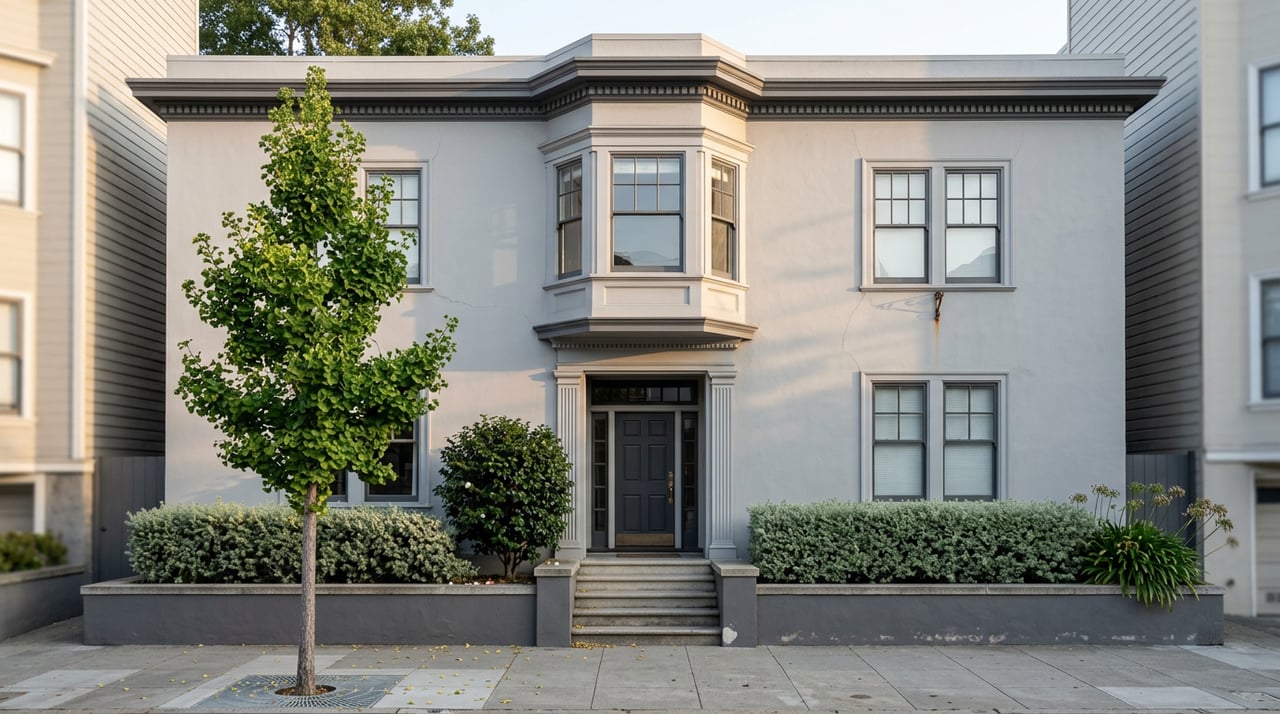
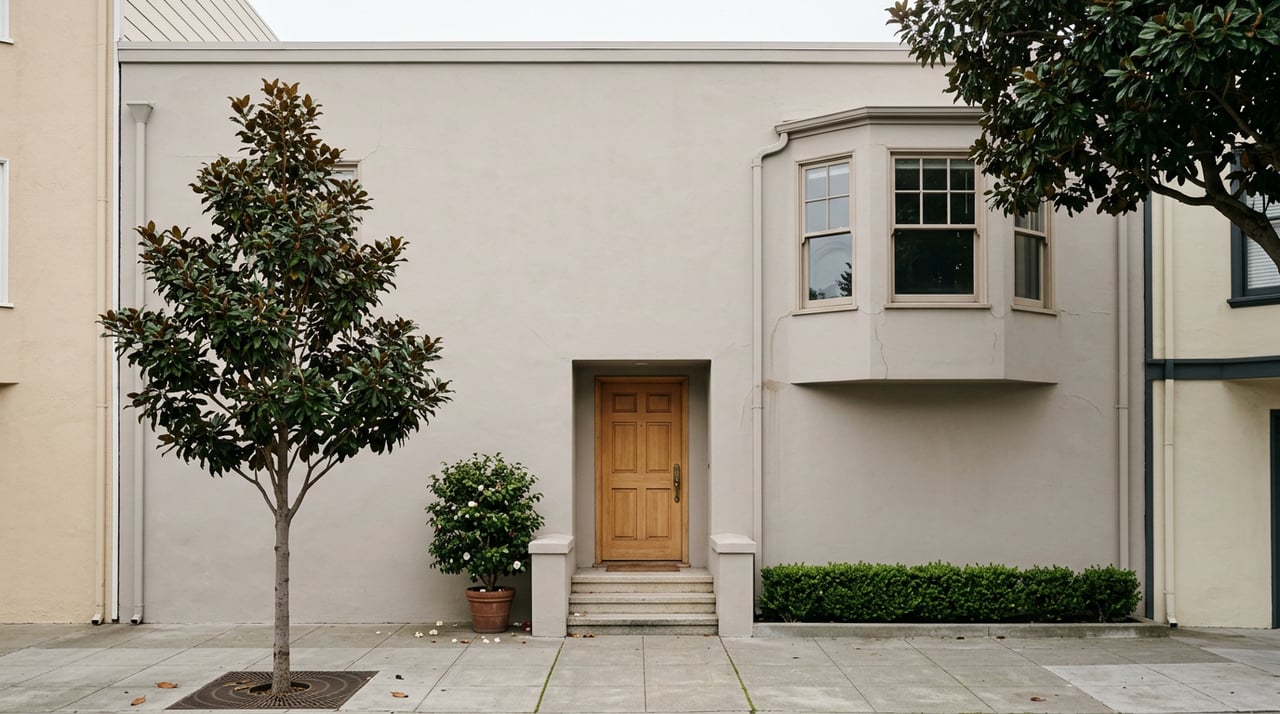
Pacific Heights has a distinct architectural identity. San Francisco Planning describes the Pacific Heights and Cow Hollow area as known for late-19th- and early-20th-century homes, quality masonry or wood cladding, and rich architectural detail. That context matters because buyers here are not just shopping for square footage. They are often responding to craftsmanship, light, scale, and the feeling of the home.
That is why staging in Pacific Heights should frame the architecture, not compete with it. Original woodwork, detailed moldings, tall windows, and thoughtful room proportions should stay visually prominent. A restrained palette, edited furnishings, and clean sightlines usually do more for these homes than overly trendy styling.
Start with preparation before staging
The best staging plans usually begin with the less glamorous work. Before furniture, art, or accessories come into the picture, your home should feel clean, functional, and cared for. In a neighborhood where buyers can be highly detail-oriented, preparation often carries just as much weight as design.
NAR guidance points to several practical pre-staging steps that can make a real difference:
- Decluttering
- Deep cleaning
- Depersonalizing
- Minor repairs
- Paint touch-ups or repainting
- Carpet cleaning
- Re-grouting tile
- Landscaping or garden refreshes
- Removing pets during showings
These updates do not need to be dramatic to be effective. A scuffed wall, worn grout line, or crowded bookshelf can distract from the home itself. Clean surfaces and a calm visual field help buyers focus on the architecture, layout, and natural light.
Preserve original details when you refresh
For many Pacific Heights sellers, the goal is not to modernize everything. The stronger move is often to refresh selectively while preserving the features that give the home its identity. San Francisco Planning's preservation guidance supports an approach that works with historic character rather than erasing it.
In practical terms, that can mean cleaning and repairing original elements, brightening rooms with paint or lighting, and updating presentation without removing defining features like woodwork, windows, or period detailing. Buyers in this area often respond well to homes that feel authentic and well maintained. A polished presentation should make the home feel current, but still true to itself.
Focus on the rooms buyers care about most
Not every room needs the same level of staging. NAR reports that the living room, primary bedroom, kitchen, dining room, and outdoor spaces are among the highest-priority areas. If you want the best return on effort, start there.
Living room
The living room often sets the tone for the whole showing. Keep furniture scaled to the room, open up circulation paths, and avoid blocking windows or architectural details. In Pacific Heights, where light and proportion matter, the goal is to let the room breathe.
Primary bedroom
A primary bedroom should feel calm, spacious, and restful. Crisp bedding, limited decor, and balanced furniture placement usually work better than heavy layering or too many accessories. Buyers want to imagine comfort, not clutter.
Kitchen
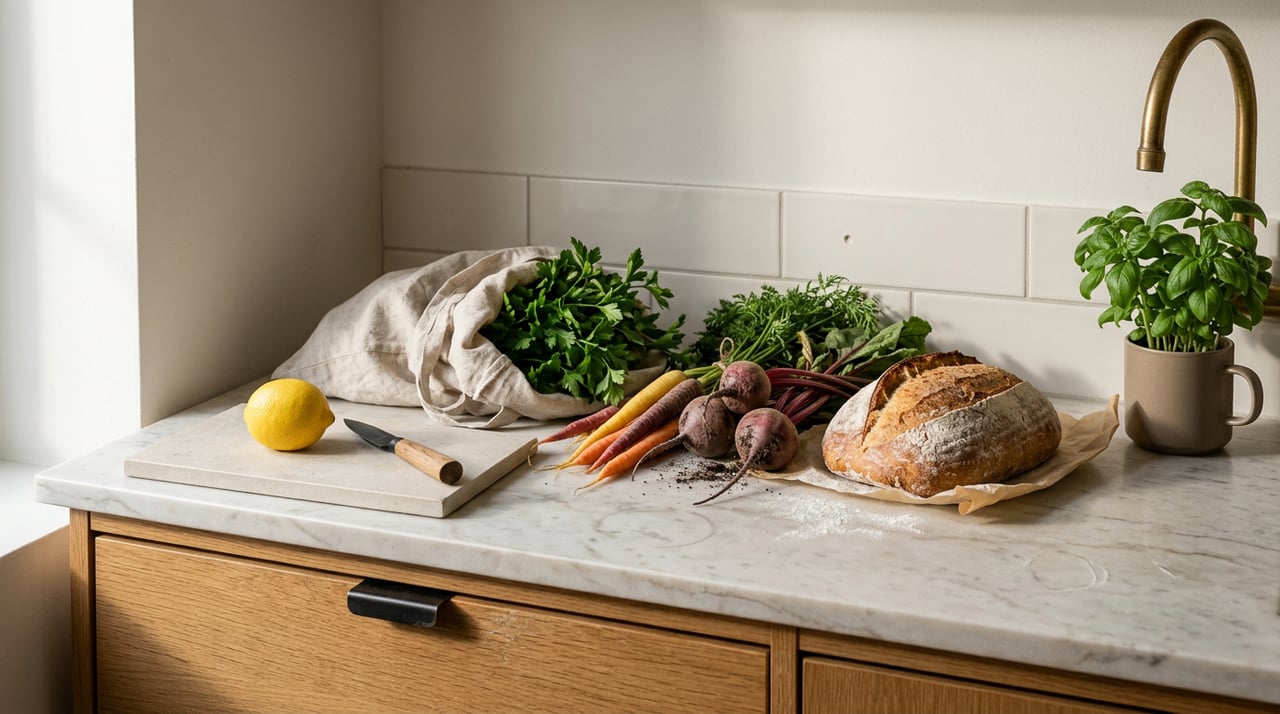
Kitchens benefit from simplicity. Clear counters, clean finishes, and subtle styling help buyers read the workspace quickly. If your kitchen has strong cabinetry, stone, or natural light, staging should support those features rather than distract from them.
Dining room
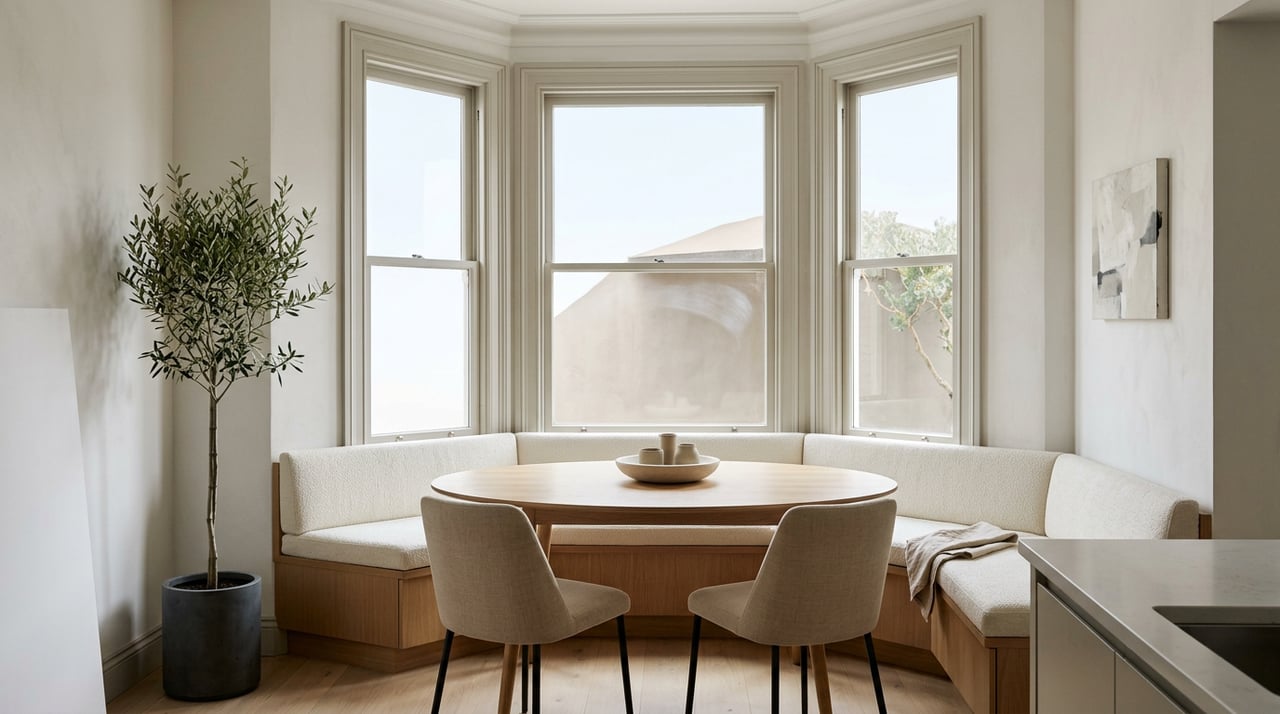
Dining rooms help buyers picture hosting, everyday meals, or a flexible extension of living space. A well-sized table, thoughtful lighting, and a clean visual line can make the room feel useful without forcing a single lifestyle story.
Outdoor spaces
Terraces, balconies, patios, and small gardens should not be treated as extras. NAR includes outdoor spaces among key staging priorities, and in Pacific Heights they can add meaningfully to the overall impression of the home. A small seating area, tidy plantings, and an uncluttered layout can make outdoor square footage feel intentional and livable.
Let light and views lead the story
Current design preferences lean toward homes that feel lighter, calmer, and easier to live in. NAR's 2025 design-trends coverage points to larger windows and doors, authentic character, strong curb appeal, and finishes that feel low-maintenance rather than fussy. That aligns well with what tends to resonate in Pacific Heights.
When possible, stage around natural light and view corridors. Open window treatments if privacy allows, remove heavy pieces that interrupt sightlines, and use furnishings that support a sense of openness. If your home has bay windows, city outlooks, or a strong connection between rooms, those features should become part of the presentation strategy.
Create flexible spaces, not forced ones
Buyers still value spaces that can support work or quiet daily routines, but they do not always want every extra room labeled as a dedicated office. NAR's trend coverage suggests flexible workspaces still matter, even if the full home office is less dominant than before.
In Pacific Heights, that often means staging a secondary area as a den, library, or office nook rather than making it feel overly specific. A small desk, chair, lamp, and edited accessories can suggest function while leaving room for interpretation. Flexibility helps more buyers see themselves in the home.
Know when virtual staging makes sense
Virtual staging can be useful for vacant homes or rooms that are difficult to furnish physically. It can help define scale, layout, and use, especially in online marketing where buyers are making quick decisions about what to tour. For some properties, it is a practical tool within a broader presentation plan.
That said, NAR notes that photo enhancements that materially alter the property should be disclosed. Virtual staging works best when it clarifies a space rather than misrepresents it. The goal is still trust, consistency, and an accurate preview of what buyers will see in person.
Plan ahead if work may require approval
Some seller updates are cosmetic and simple to schedule. Others may involve permits or planning review, especially if the scope expands beyond touch-ups and light preparation. San Francisco Planning states that homeowners planning to build, demolish, renovate, or expand need Planning approval first and then a building permit.
Planning also reviews certain exterior changes, including additions, dormers, decks, stairs, garages, and facade changes. Some projects can trigger neighborhood notification or a public hearing. If you are considering meaningful contractor work before listing, identify that early so your preparation timeline does not collide with permit review.
Build a staging strategy around timing
Because Pacific Heights listings can move quickly, timing matters almost as much as design. Ideally, you want a clear sequence: assess condition, decide what to repair, confirm whether any planned work needs approval, complete prep, install staging, photograph the home, and then launch. That kind of sequencing reduces stress and helps avoid costly last-minute decisions.
A thoughtful plan is especially important if you are balancing a move, ongoing occupancy, or vendor coordination. Hands-on guidance can help you focus on the improvements that actually support presentation and marketability, rather than spending time and money in the wrong places.
Staging is about clarity, not decoration
One of the biggest misconceptions sellers have is that staging means adding more. In reality, the strongest results often come from editing down. NAR defines staging as decluttering and styling a home so it can be seen in its best light, which is a helpful way to think about it.
In Pacific Heights, that usually means creating a home that feels elevated, calm, and authentic. You are not trying to flatten the property into something generic. You are helping buyers see the architecture, feel the flow of the rooms, and understand how the home lives.
The right presentation can support both price and pace
Staging does not guarantee a certain result, but the data points are meaningful. NAR reports that more than a quarter of real estate professionals said staging increased offered value by 1% to 10%, and about half said it reduced time on market. In a neighborhood where expectations are high, that can make staging one of the more practical parts of your selling strategy.
For Pacific Heights sellers, the smartest approach is usually disciplined rather than dramatic. Clean and repair what needs attention, preserve the home's defining character, stage the rooms that matter most, and make sure the final presentation feels polished from the first photo to the last showing. If you get those fundamentals right, your home is better positioned to stand out in a competitive market.
If you are thinking about selling in Pacific Heights and want a thoughtful plan for preparation, pricing, and presentation, Lauren Fraser can help you shape a strategy that fits your home and the market.
FAQs
What does staging for a Pacific Heights home usually involve?
- Staging usually starts with decluttering, deep cleaning, depersonalizing, minor repairs, and touch-ups, followed by styling key rooms like the living room, primary bedroom, kitchen, dining room, and outdoor spaces.
Which rooms matter most when staging a Pacific Heights listing?
- The highest-priority rooms are typically the living room, primary bedroom, kitchen, dining room, and outdoor areas, because these are the spaces buyers tend to focus on most.
Should you remodel before staging a Pacific Heights property?
- Not always. For many homes, a better strategy is selective refreshment, repairs, and character-preserving updates rather than a full remodel.
How should you handle historic details when staging a Pacific Heights home?
- Original details should usually be highlighted, not hidden. Clean, repair, and brighten the home while keeping defining features like woodwork, windows, and architectural detailing visually prominent.
Can virtual staging work for a Pacific Heights seller?
- Yes, especially for vacant or hard-to-furnish spaces, but any photo enhancements that materially alter the property should be disclosed.
Do pre-listing updates in San Francisco ever need Planning approval?
- Yes. If your project goes beyond cosmetic work into renovation, expansion, demolition, or certain exterior changes, San Francisco Planning says approval and permits may be required.